.svg)

Finance
|
October 8, 2026
How Much Does the Average Ecommerce Store Make? Revenue, Profit, and Growth Benchmarks


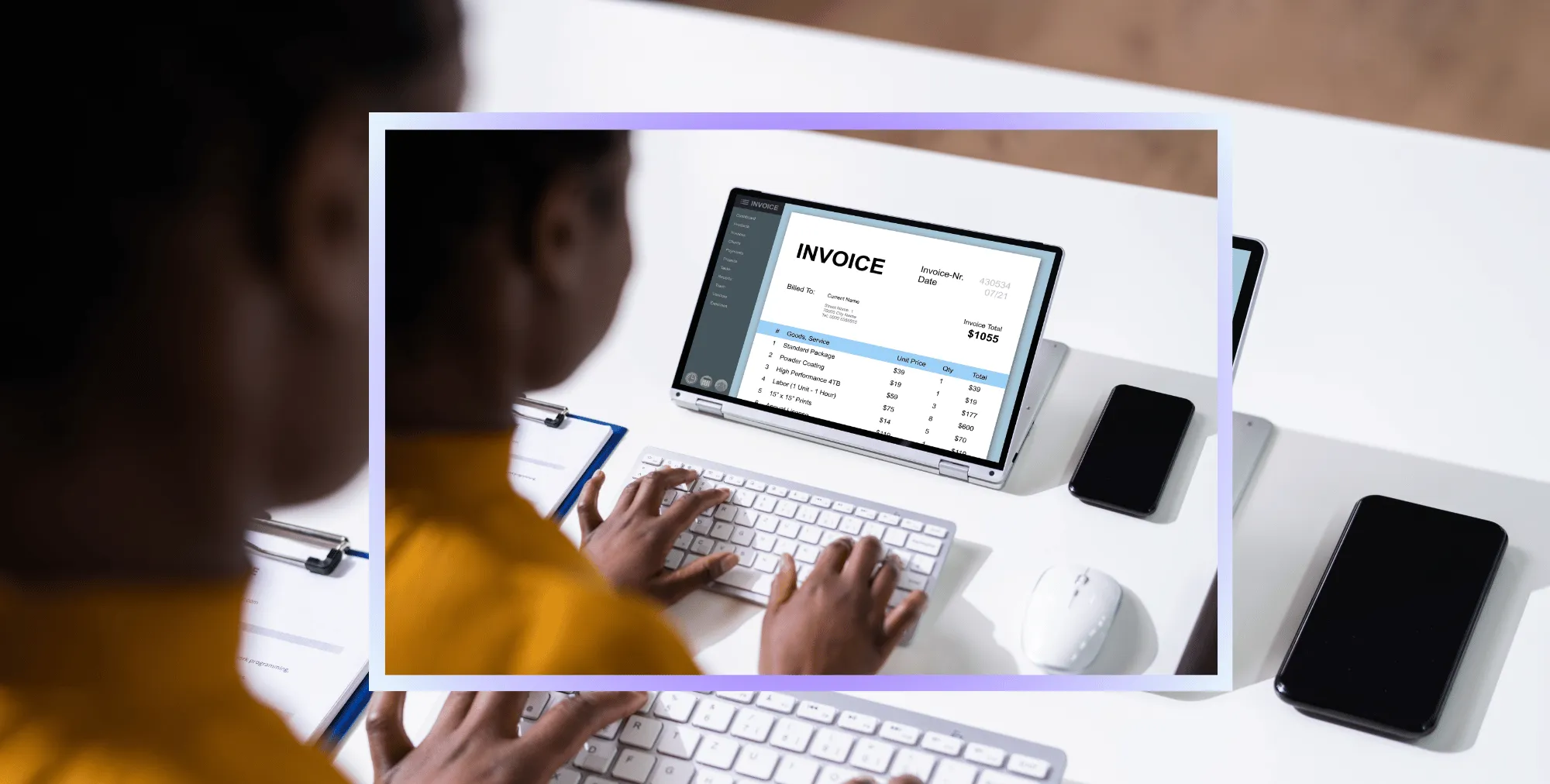
As businesses scale, cash flow gaps become increasingly common. In fact, 82% of small businesses fail due to cash flow problems, highlighting just how critical timing is when it comes to growth capital.
Growth requires cash. New product launches, scaling ad campaigns, and expanding supplier relationships can quickly eat into margins, which can make it difficult to keep day-to-day operations running. More often than not, founders don’t struggle with demand, but with the timing between paying and getting paid.
This is where invoice funding comes in. By unlocking working capital without slowing momentum, invoice funding allows high-growth companies to stay on track.
Invoice funding is a short-term financing method used by high-growth companies to bridge the gap between business expenses, like placing inventory orders, and generating revenue.
Unpaid invoices can quickly derail a business’s growth plans and create ripple effects across the supply chain. With advance invoice funding, businesses that are hitting a cash ceiling can turn supplier invoices into a growth lever rather than a bottleneck.
With the support of the right capital partner, ecommerce invoice funding can become a streamlined solution, giving brands access to funds exactly when they need them to keep operations and growth on track. For example, instead of using your cash to pay invoices when they're due, Clearco provides you with the funds to meet your commitments so you can reinvest your working capital in marketing, day-to-day operations, and omnichannel growth opportunities like wholesale and retail.
Invoice funding bridges this gap by giving ecommerce brands the capital to pay suppliers on time, keep production moving, and maintain predictable cash flow. Here’s how Clearco’s Invoice Funding works, for example:
1. Submit your invoices to Clearco: Submit supplier invoices, purchase orders, or vendor bills through the online platform.
2. Put funding to work: Clearco provides the funding so you can pay supplier invoices on time and keep more cash available for the rest of your business.
3. Pay back over time: A single fixed fee is applied based on business performance, paired with capped weekly payments, to give you a clear payment schedule. This keeps your cash flow timing predictable and better aligned with your operations.
It’s important to know that not all invoice funding partners are the same. Some have funding models that serve their interests more than their customers.
Many providers will begin debiting your revenue account immediately after you get funding, even if you’re not drawing the cash yet and putting it to use. This is a hallmark of traditional cash-in-bank MCAs, in particular.
With Clearco, on the other hand, you only pay for capital when it's being put to immediate use. As a flexible invoice funding partner, we only charge once the invoice is paid in full, ensuring customers are paying only after cash has been put to work.
It’s no secret that invoice funding can solve cash flow timing, but this is only if ecommerce operators are prepared to turn that into a healthy margin.
We’ve talked a lot about invoice funding and its benefits for scaling growth, but not all invoice based financing is built for ecommerce. Invoices offer a short term look at a company’s feasibility into the near future, which is why the current ratio, or quick ratio, is often helpful. These capital needs are why many businesses choose to either finance, fund, or factor invoices.
For true ecommerce success, we’ve broken out Invoice Funding, Financing, and Factoring below:
If invoice funding slows down your operations, it’s not doing its job. That’s why choosing the right invoice funding provider is critical to staying on track with growth. When evaluating options, ecommerce brands should prioritize transparent terms, flexibility, and a provider that acts more like a strategic partner to your business.
Just as importantly, founders should look for providers that offer predictable payment structures because when capital is easy to access and plan around, it becomes a growth lever. Clearco offers capped weekly payments and the flexibility of an Early Payment option with prorated fees and no penalties, giving operators full control over their cash flow.
When evaluating the best funding model for your business, invoice funding and merchant cash advances are two common options, but the right choice depends on your specific needs and growth goals:
Many operators choose to use both in tandem, leveraging merchant cash advances to fund growth opportunities and day-to-day operations, while invoice funding covers supplier and inventory expenses. The right mix allows brands to scale both demand and supply without compromise.
How Do You Know If You're Eligible for Invoice Funding?
Eligibility for invoice funding is rooted in your business performance and operational needs, not just your credit score. Instead of focusing solely on past financials, invoice funding companies typically evaluate a business’s current revenue, supplier relationships, and upcoming inventory or invoice obligations.
Ecommerce brands with consistent sales and strong margins are typically well-positioned to qualify, especially if they regularly manage supplier invoices or large purchase orders tied to growth.
It’s important that the provider underwrites all your revenue channels, rather than just your DTC or Shopify sales, for example. This ensures that the capital provider is evaluating the full picture of your business so they can give you the most accurate funding offer.
Brands that scale the fastest aren’t the ones with the most cash. They’re the ones deploying capital at the right time.
Invoice funding gives ecommerce businesses the ability to act on opportunity and master the timing gap between paying suppliers and getting paid. By paying vendors on time, brands can place larger orders, stay in stock, and invest in growth without hitting the cash ceiling.
What is invoice funding?
Invoice funding provides capital to pay supplier invoices, helping ecommerce brands preserve cash flow and keep operations moving while waiting for revenue to come in.
How is invoice funding different from invoice factoring?
Invoice funding helps pay supplier invoices, while invoice factoring involves selling your accounts receivable to a third party, which then collects payment from your customers.
When should an ecommerce brand use invoice funding?
Invoice funding is ideal when you need to pay suppliers, place larger inventory orders, or bridge cash flow gaps without slowing growth.
Can invoice funding be used alongside other funding solutions?
Yes. Many brands use invoice funding for supplier and inventory expenses while using other funding solutions to support marketing, payroll, and broader growth initiatives.
What should I look for in an invoice funding provider?
Look for transparent pricing, predictable payment terms, flexible funding, and a provider that underwrites your full business performance rather than relying on a single sales channel.